Collection: Dry skin
Discover deep, long-lasting relief from tightness, flakiness, and discomfort with our Dry Skin Collection—formulas created to replenish what dry skin lacks most: lipids, hydration, and barrier strength. Whether your dryness comes from weather, over-cleansing, aging, or a naturally fragile barrier, these products deliver comfort right where your skin needs it.
Each formula is packed with ceramides, hyaluronic acid, niacinamide, squalane, and soothing botanicals that restore moisture reserves while reinforcing your barrier. The result is smoother texture, fewer dehydration lines, and skin that feels cushioned, soft, and calm.
With consistent use, you'll notice your complexion transform—hydrated, plump, resilient, and glowing with healthy moisture. This is dry skin care that doesn’t just hydrate for the moment… it helps your skin stay hydrated.
What You’ll Find on This Page
✓ The Best Products for Dry Skin
A curated selection of Yourself Beauty formulas designed to replenish moisture, repair your barrier, and soothe tightness and flakiness. Each product is chosen to support long-lasting hydration and restore your natural glow.
✓ Recommended Routine for Nourishing Dry Skin
Step-by-step guidance on how to use our products—morning and night—to maximize hydration, boost bounce, and strengthen your skin barrier for lasting comfort.
✓ FAQs About Dry Skin & How to Treat It
Get clear answers to common questions, including why skin becomes dry, how to rebalance a weakened barrier, and which habits help restore healthy, hydrated skin.
✓ Recommended Articles for Deeper Learning
Explore educational guides like:
Dry Skin Symptoms Checklist
How to Layer Products for Dry Skin
Use these resources to help you understand your skin type better and build the most effective routine for that perfect skin of Yours!

-
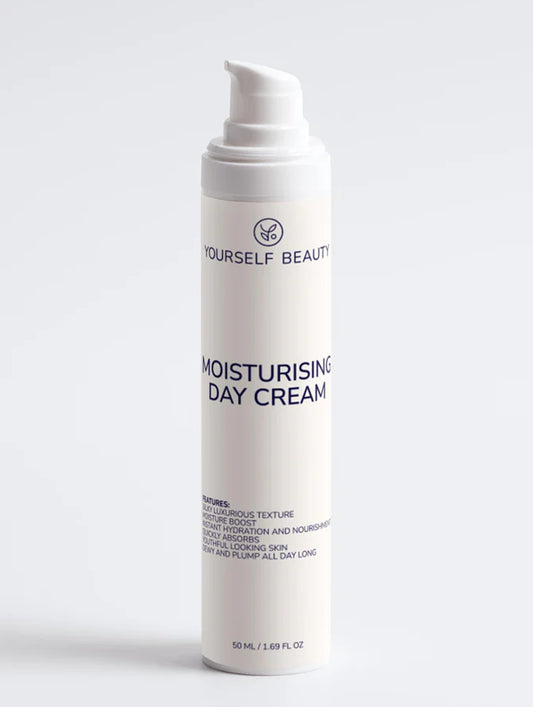

Moisturising Day Cream
Regular price From €27,00 EURRegular priceUnit price per -
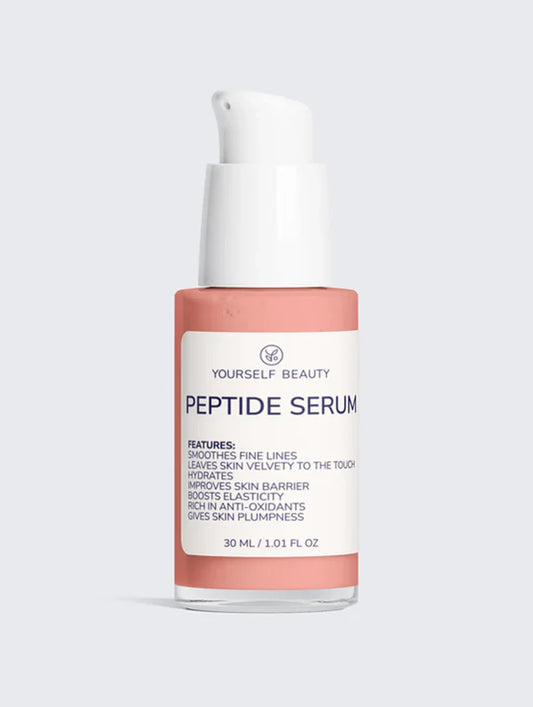
Peptide Serum
Regular price €55,00 EURRegular priceUnit price per -
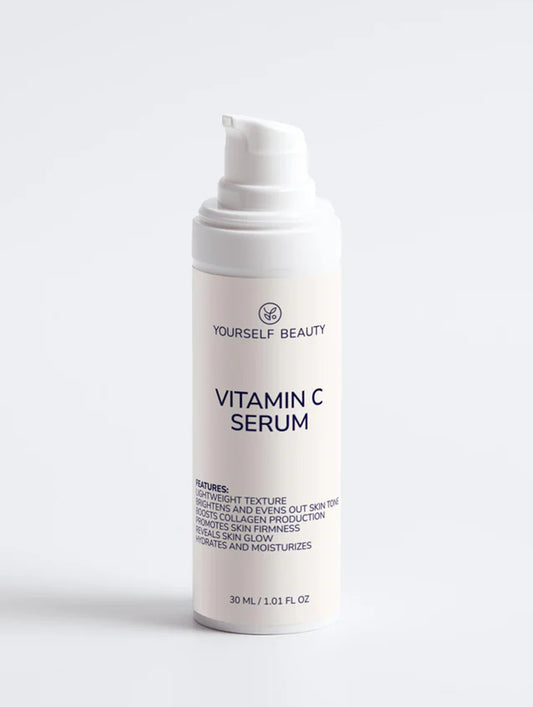
Vitamin C Serum
Regular price €57,00 EURRegular priceUnit price per -

Barrier Repair Night Cream
Regular price €62,00 EURRegular priceUnit price per -
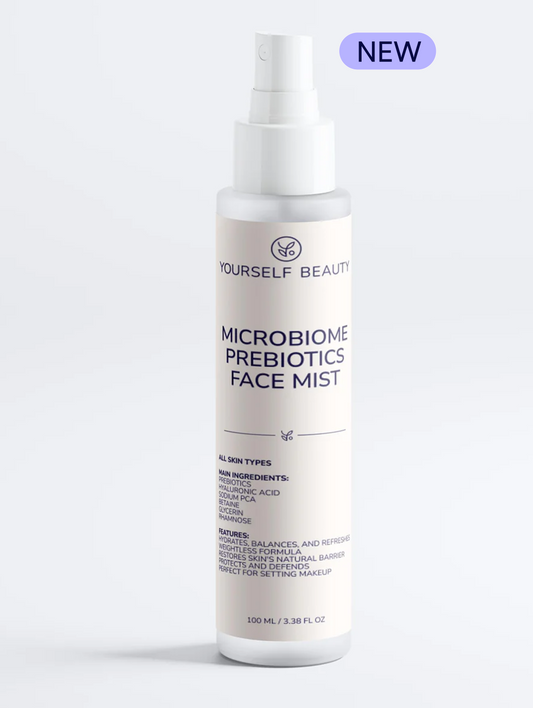
Microbiome Prebiotics Face Mist
Regular price €35,00 EURRegular priceUnit price per -


Silky Cleanser
Regular price €35,00 EURRegular priceUnit price per -
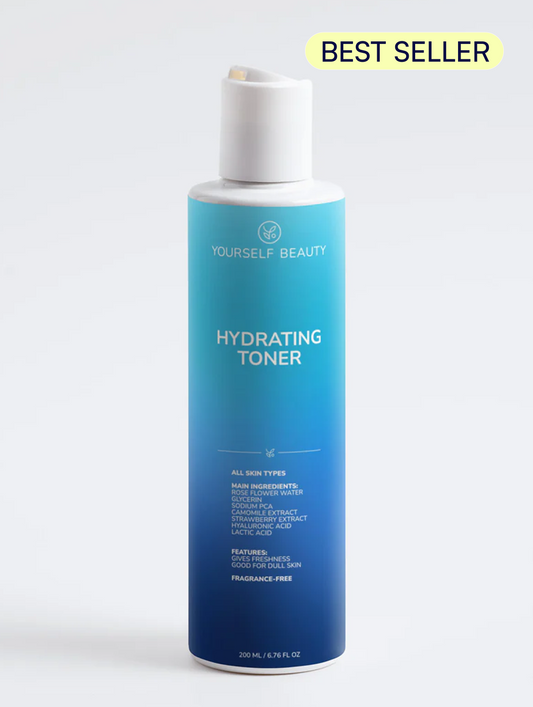
Hydrating Toner
Regular price €35,00 EURRegular priceUnit price per -

Collagen Boost Serum
Regular price €55,00 EURRegular priceUnit price per -

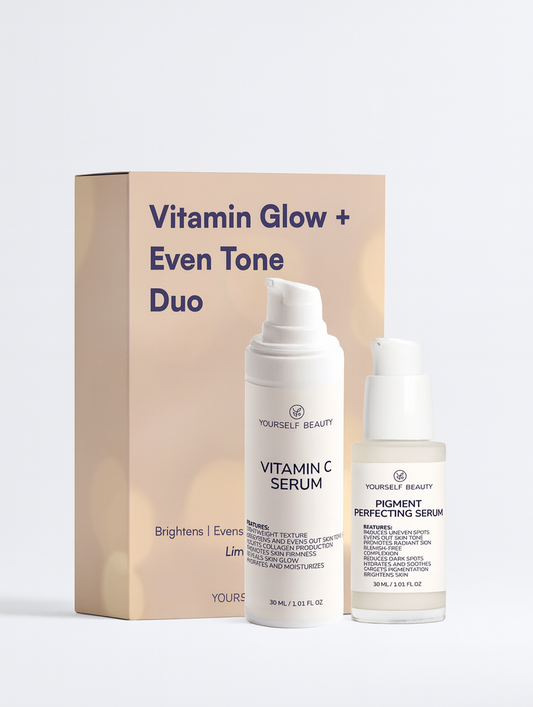
Vitamin Glow + Even Tone Duo
Regular price €112,00 EURRegular priceUnit price per -
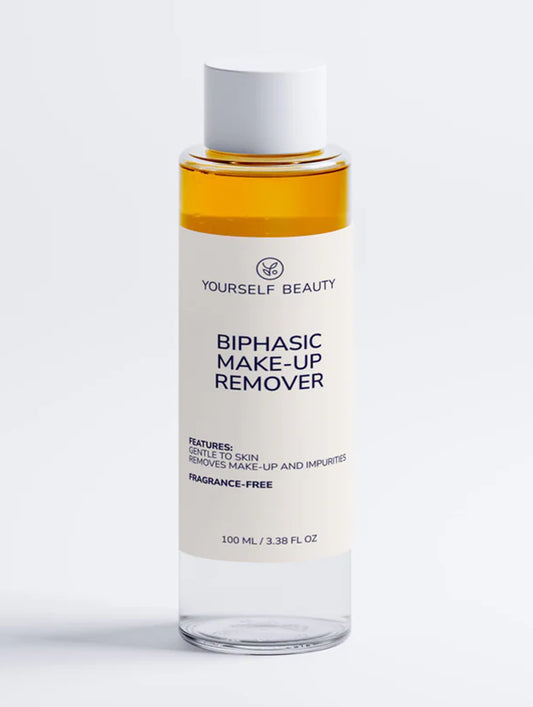
BiPhasic Make-up Remover
Regular price €35,00 EURRegular priceUnit price per -

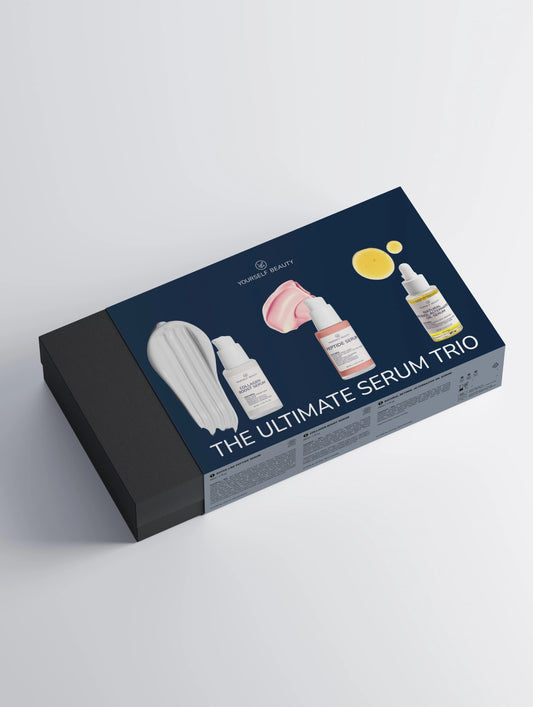
The Ultimate Serum Trio
Regular price €187,00 EURRegular priceUnit price per -
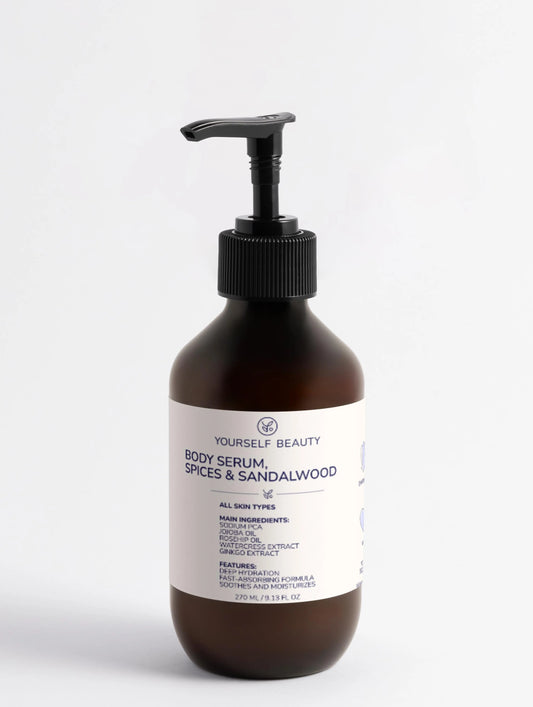
Silk Skin Body Serum, Spices & Sandalwood
Regular price €38,00 EURRegular priceUnit price per -

Moisturising Day Cream
Regular price From €27,00 EURRegular priceUnit price per -
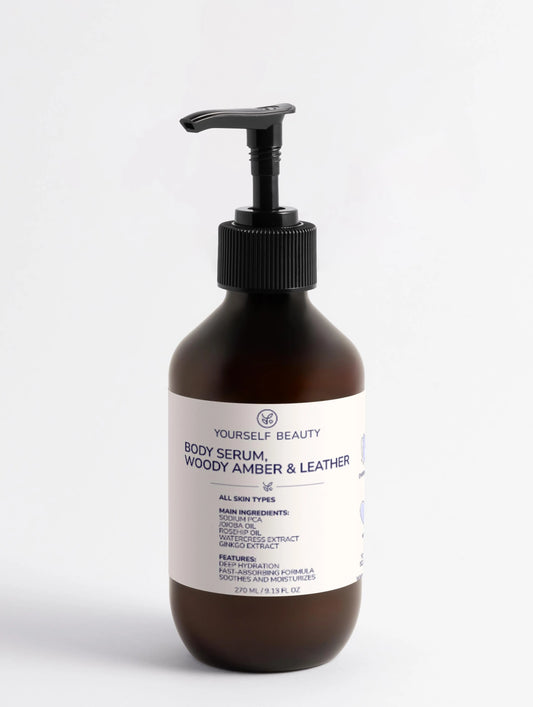
Silk Skin Body Serum, Woody Amber & Leather
Regular price €38,00 EURRegular priceUnit price per


Clear answers to how to treat and restore dry skin
FAQs About Dry Skin & How to Treat It
What is Dry Skin and How is it Different From Normal Skin?
Dry skin is a skin type where the skin naturally produces fewer lipids (oils), ceramides, and moisture-binding components. This leads to a weakened skin barrier that struggles to lock in hydration, making the skin feel tight, rough, or flaky.
Normal skin has a balanced oil-to-water ratio, meaning it retains moisture better, feels smoother, and rarely experiences ongoing tightness or irritation.
Key differences:
- Dry Skin: Lacks oil and lipids → feels rough, tight, sensitive, or flaky.
- Normal Skin: Balanced moisture + healthy barrier → feels soft, smooth, comfortable.
- Dry Skin Needs: Nourishing moisturizers, ceramides, and hydrating ingredients.
A strong, well-nourished barrier is the biggest distinguishing factor — and supporting it is essential for dry skin.
Why Skin Becomes Dry?
Dry skin isn’t simply a lack of moisture — it’s usually a sign of a weakened or compromised skin barrier. When the barrier loses essential lipids like ceramides, it becomes unable to retain water, leading to tightness, flakiness, and discomfort.
Common causes include:
- A depleted skin barrier: Fewer lipids = less protection and faster moisture loss.
- Environmental stress: Cold weather, low humidity, wind, indoor heating, and sun exposure draw water out of the skin.
- Harsh skincare habits: Over-cleansing, exfoliating too often, or using stripping ingredients weakens the barrier over time.
- Aging: Natural oil and ceramide production decreases, making skin feel drier and more fragile.
- Lifestyle factors: Hot showers, dehydration, certain medications, and stress can all trigger dryness.
Understanding the root cause helps you choose targeted solutions that replenish hydration, restore lipids, and rebuild a strong, healthy barrier.
How to Rebalance & Repair Dry Skin?
Rebalancing dry skin starts with a barrier-first approach — replenishing the lipids, humectants, and soothing ingredients your skin needs to feel comfortable and hydrated again.
Our Dry Skin Collection works by:
- Rebuilding the Lipid Barrier:
Ceramides and nourishing emollients restore the skin’s protective layer, helping it hold onto moisture. - Deep Rehydration:
Multi-weight hyaluronic acid and glycerin draw water into the skin for long-lasting hydration. - Soothing Sensitivity:
Aloe, oat, and calming botanicals reduce tightness, flakiness, and irritation. - Improving Texture & Bounce:
With continued barrier repair, skin becomes smoother, plumper, and naturally radiant.
Whether your dryness is occasional or chronic, strengthening the barrier is the key to soft, healthy, hydrated skin.
What are hero Ingredients for Dry Skin?
Our Dry Skin Collection is formulated with ingredients proven to restore comfort and hydration:
- Ceramides: Replenish essential lipids and strengthen the barrier.
- Hyaluronic Acid (multiple weights): Hydrates deeply by attracting and holding water in different layers of the skin.
- Niacinamide: Supports barrier repair, reduces redness, and enhances moisture retention.
- Squalane: A lightweight, skin-identical oil that nourishes without heaviness.
- Glycerin: A top-tier humectant that holds moisture inside the skin.
- Shea Butter & Natural Oils: Provide rich, cushiony nourishment and soothe tightness.
- Soothing Botanicals: Aloe, oat extract, and calendula help calm irritation and restore softness.
This combination ensures your skin feels cushioned, hydrated, and protected — with a smooth, supple finish.
What’s the Difference Between Dry and Dehydrated Skin?
Dry skin is a skin type, meaning your skin naturally produces fewer oils and lipids. This leads to flakiness, rough texture, and a weakened barrier. Dehydrated skin, however, is a temporary condition caused by a lack of water in the skin — not oil.
Dry skin usually feels rough and tight all the time, while dehydrated skin may feel dull, tight and oily, or show increased fine lines. Both conditions can exist together, but they require different solutions: dry skin needs lipids, while dehydrated skin needs hydration. Our Dry Skin Collection supports both by strengthening the barrier and adding multi-layer hydration.
Can Dry Skin Cause Premature Fine Lines or Wrinkles?
Yes — dryness can make fine lines more noticeable. When the skin lacks oils and moisture, it becomes less flexible and more prone to creasing. Over time, a damaged or weakened barrier can accelerate signs of aging.
Keeping the skin hydrated and restoring lipids with ingredients like ceramides, squalane, and hyaluronic acid helps smooth the appearance of fine lines and improves elasticity. Consistent use of barrier-repairing products can dramatically soften dryness-induced wrinkles.
How Often Should I Exfoliate If I Have Dry Skin?
For dry skin, gentle exfoliation 1–2 times per week is usually enough to remove flakiness and help your moisturizers absorb better. Over-exfoliating can damage the barrier and make dryness worse.
Choose mild exfoliants like lactic acid or gentle enzyme-based formulas rather than harsh scrubs. Always follow with a replenishing moisturizer to lock in hydration and support barrier repair.
Are Hot Showers Making My Skin Drier?
Yes — hot water can strip the skin of its natural oils, instantly weakening your barrier and increasing water loss. This often leads to tightness, redness, and heightened dryness after bathing.
Switching to warm (not hot) water and applying moisturizer within 60 seconds after stepping out of the shower helps trap hydration inside the skin. Look for lipid-rich creams that restore ceramides and prevent further moisture loss.
Which Ingredients Should People With Dry Skin Avoid?
Dry skin should avoid overly stripping or aggressive ingredients, including:
- High concentrations of alcohol
- Harsh foaming sulfates
- Fragrance if your skin is sensitive
- Strong retinoids (unless balanced with hydration)
- High-percentage exfoliating acids
These can damage your barrier and worsen moisture loss. Instead, choose formulas with hydrating humectants, nourishing oils, and soothing botanicals to rebalance and protect the skin.
Can Dry Skin Be Genetic?
Yes — dry skin can be hereditary. Some people naturally produce fewer lipids and ceramides, making their skin more prone to dryness at any age. Conditions like eczema also have genetic links that affect the skin barrier.
Even if dryness is genetic, the right skincare routine — especially one focused on ceramides, squalane, hyaluronic acid, and gentle cleansers — can significantly improve comfort, softness, and moisture retention.
What Lifestyle Habits Help Improve Dry Skin?
A few daily habits can make a major difference in improving dry skin:
- Drink enough water to support skin hydration.
- Use a humidifier during dry seasons or at night.
- Limit long, hot showers.
- Apply moisturizer while skin is still damp.
- Choose nourishing, barrier-friendly skincare.
- Protect your skin from wind and cold temperatures.
These simple steps help your skin maintain moisture and reduce long-term dryness.
Can Dry Skin Still Get Acne?
Absolutely — dry skin can still experience breakouts. When your skin lacks moisture, it may overproduce sebum to compensate, leading to clogged pores and blemishes. A damaged barrier can also lead to inflammation, making acne worse.
Balancing hydration is key. Using non-comedogenic moisturizers, hydrating serums, and gentle barrier repairs helps prevent both dryness and breakouts without overwhelming the skin.
Is It Possible to Repair the Skin Barrier Completely?
Yes — the skin barrier can repair itself with the right support. Consistent use of ceramides, fatty acids, squalane, niacinamide, and humectants helps rebuild the barrier and restore its ability to retain moisture.
Most people start noticing improvement within 2–4 weeks, especially when they avoid stripping products and maintain a nourishing skincare routine.
What Is the Best Skincare Routine Order for Dry Skin?
The ideal routine for dry skin focuses on layering hydration and sealing in moisture. Follow this order:
Morning:
- Gentle cleanser
- Hydrating essence or mist
- Hydrating serum (hyaluronic acid + niacinamide)
- Barrier-restoring moisturizer
- SPF
Evening:
- Cream or oil-based cleanser
- Hydrating serum
- Nourishing moisturizer or barrier repair cream
- Optional: facial oil to lock everything in
This routine ensures your skin stays hydrated, protected, and comfortable throughout the day.
Why is My Skin Suddenly Very Dry and Flaky?
Sudden dryness or flakiness is often caused by a combination of environmental changes, lifestyle factors, and barrier disruption.
Common triggers include:
- Weather shifts (especially cold or low humidity)
- Over-cleansing or harsh skincare products
- Hot showers that strip natural oils
- Using exfoliants or retinoids too often
- Dehydration or lack of essential fatty acids
- Stress or disrupted sleep
- Medical conditions like eczema or dermatitis
When the skin barrier becomes compromised, it loses its ability to retain moisture — leading to visible flaking, tightness, redness, or rough patches.
Using gentle cleansing, hydrating serums, and barrier-repairing moisturizers can restore comfort and help prevent sudden dryness in the future.
When Should I See a Dermatologist for Dry Skin?
While most dry skin can be improved with barrier-repairing skincare, you should consider seeing a dermatologist if:
- Your dryness is persistent, painful, or worsening
- You experience cracks, bleeding, or severe flaking
- You suspect eczema, psoriasis, or dermatitis
- Your skin reacts to most moisturizers
- Dry patches appear suddenly with redness or inflammation
- Nothing improves your dryness after 3–4 weeks of consistent care
Dermatologists can diagnose underlying conditions and recommend targeted treatments or prescription formulas if needed.
Why is My Face Dry Even Though I Use Moisturizer?
If your skin still feels dry despite using moisturizer, it usually means your barrier is weakened, or your moisturizer isn’t addressing what your skin is actually lacking.
Common reasons this happens:
- Not enough lipids: Your skin needs oils and ceramides, not just water.
- Humectants without occlusives: Hydration evaporates if it isn’t sealed in.
- Using the wrong formula: Lightweight gels may not be enough for dry skin.
- Damaging skincare habits: Over-washing, hot water, or strong actives.
- Moisturizer applied on dry skin: Applying on damp skin helps lock in hydration.
To fix this, look for moisturizers with ceramides, squalane, shea butter, glycerin, and multi-weight hyaluronic acid, and layer products to help your skin absorb and hold onto moisture more effectively.